Iranian-Indian Foreign Ministers Hold Talks
Araghchi met with Indian Foreign Minister Subrahmanyam Jaishankar to discuss bilateral relations and the latest regional and international developments.
Araghchi briefed his Indian counterpart on the latest developments in the region and Iran’s positions, saying that what Tehran describes as U.S. violations of commitments and its aggressive actions against Iran, including a maritime blockade and interference with Iranian commercial shipping, are the main drivers of insecurity in the region and the Strait of Hormuz.
He stressed the international community’s responsibility to hold those responsible for aggression accountable.
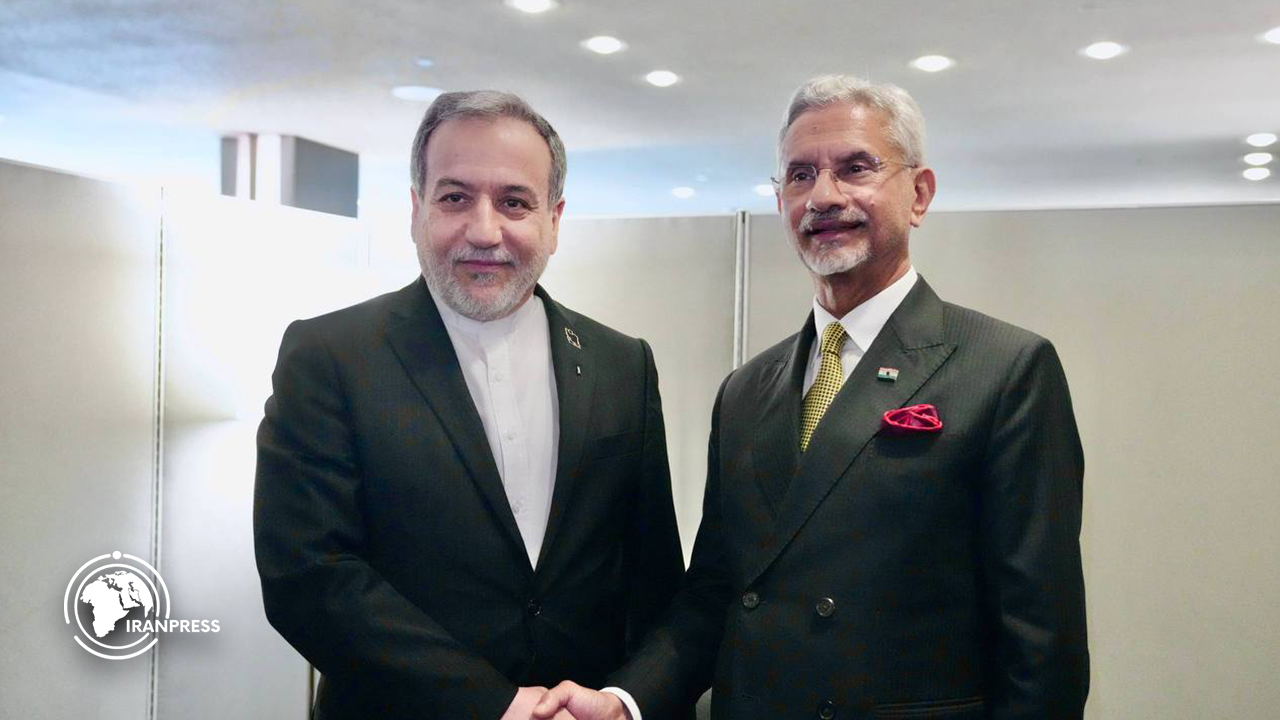
Araghchi also briefed Jaishankar on the latest status of Iran-Oman understandings regarding the establishment of safe navigation arrangements in the Strait of Hormuz, as well as continued mediation efforts aimed at communicating the necessary conditions and elements for a return to diplomacy.
The two ministers stressed the importance of using all available capacities to enhance security and prevent further escalation in the region. They also discussed the implementation of bilateral economic and trade agreements and the expansion of high-level consultations.
Iranian-Saudi Foreign Ministers Meet
Araghchi also met with Saudi Foreign Minister Faisal bin Farhan in New York.
Araghchi briefed his Saudi counterpart on the Iran-Oman understanding concerning safe navigation routes in the Strait of Hormuz.
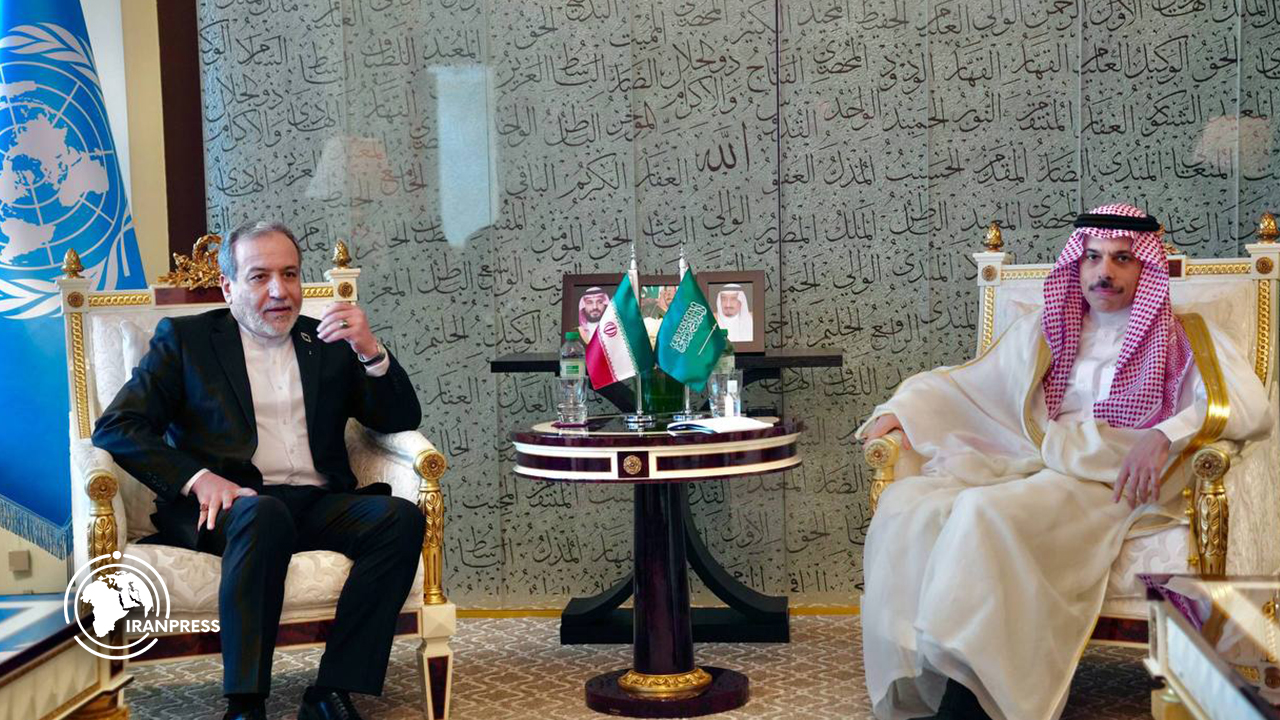
He said Iran was committed to strengthening mutual trust, particularly through regional security mechanisms based on interaction among the countries of the region. He expressed hope that regional actors would cooperate toward this goal, taking into account the developments of the past seven months and what Tehran describes as the use of regional territory and facilities by the United States and Israel in military operations against Iran.
The two sides also exchanged views on Tehran-Riyadh relations and ways to further develop cooperation in areas of mutual interest.
Araghchi meets with UN General Assembly President
Araghchi met with President of the 81st session of the UN General Assembly, Khalil-ur-Rehman, congratulating him on his election and stressing the importance of a strong and active role by the General Assembly presidency in upholding the principles and purposes of the UN Charter.
Araghchi said the restoration of confidence in the United Nations—under the central theme of this year’s General Assembly—requires an end to violations of fundamental Charter principles, including respect for national sovereignty and the prohibition of the use of force.
He also called for preventing the instrumentalization of the UN Security Council and ending impunity for perpetrators of serious international crimes, including aggression, genocide and war crimes.
Araghchi briefed the UN General Assembly president on developments affecting peace and security in West Asia following the U.S.-Israeli military action against Iran. He argued that the current insecurity in the Strait of Hormuz is a consequence of what Tehran describes as continued U.S. and Israeli aggressive and interventionist measures.
Khalil-ur-Rehman, for his part, expressed his appreciation for the meeting and reaffirmed his commitment to engaging professionally with all UN member states in carrying out the responsibilities of the General Assembly presidency.
Iranian, Turkish Foreign Ministers Meet, Exchange Opinions
Araghchi also met with Turkish Foreign Minister Hakan Fidan to discuss bilateral relations and regional and international developments.
Araghchi attributed the current regional situation, including insecurity in the Strait of Hormuz, to what Iran describes as U.S. and Israeli military actions that began on February 28, 2026, and have continued in various forms.
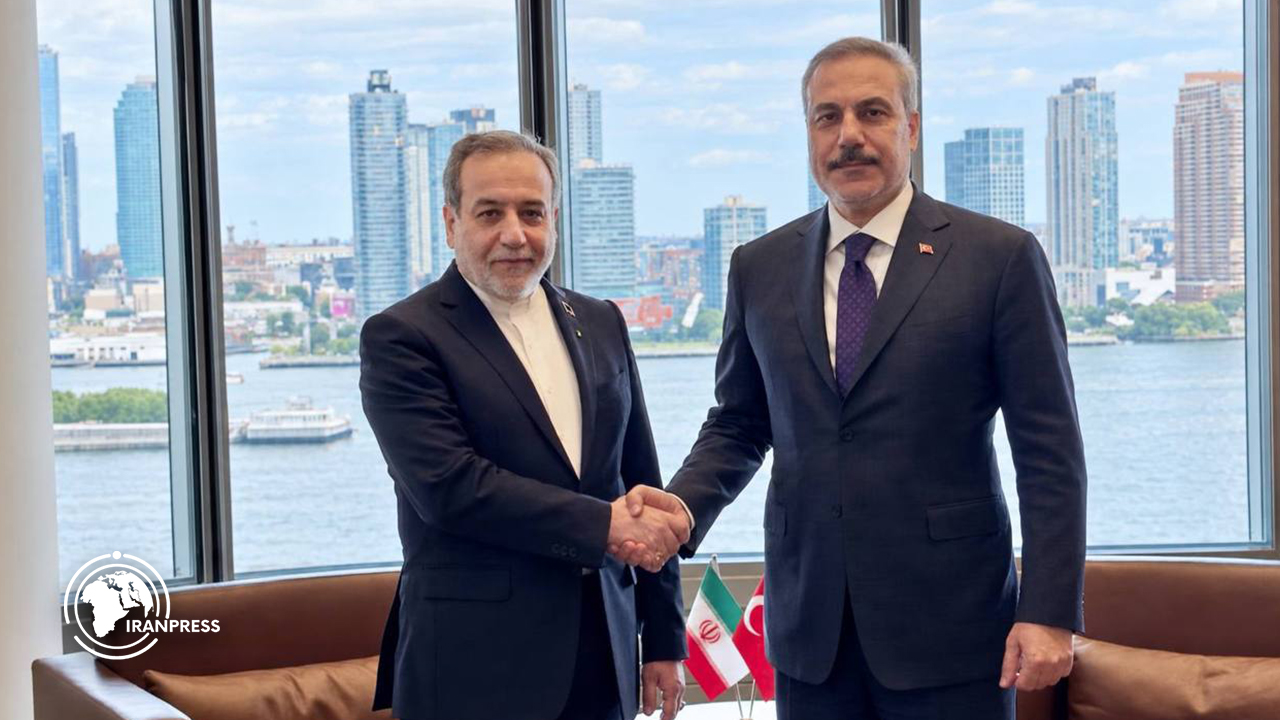
He thanked Türkiye for its diplomatic efforts to promote peace and security in the region, and said the U.S. withdrawal from commitments had led to the violation of the Islamabad understanding less than three weeks after it was signed, with consequences extending beyond the region.
Araghchi stressed the importance of regional countries working to restore peace and security through greater mutual trust, particularly by avoiding what Tehran describes as unlawful U.S. military and economic interventions. He said Iran was ready to cooperate toward this objective.
The two ministers also discussed ways to expand Iran-Türkiye relations in areas of mutual interest.
Iranian FM, Arab League Secretary-General Hold Talks
Araghchi also held talks with Arab League Secretary-General Nabil Fahmy, focusing on regional developments, particularly the situation in Palestine and the escalation of Israeli attacks and what Iran describes as crimes in Palestine and Lebanon.
Araghchi stressed Iran’s determination to strengthen trust among regional countries, describing security as an interconnected and indivisible issue requiring shared responsibility and constructive engagement.
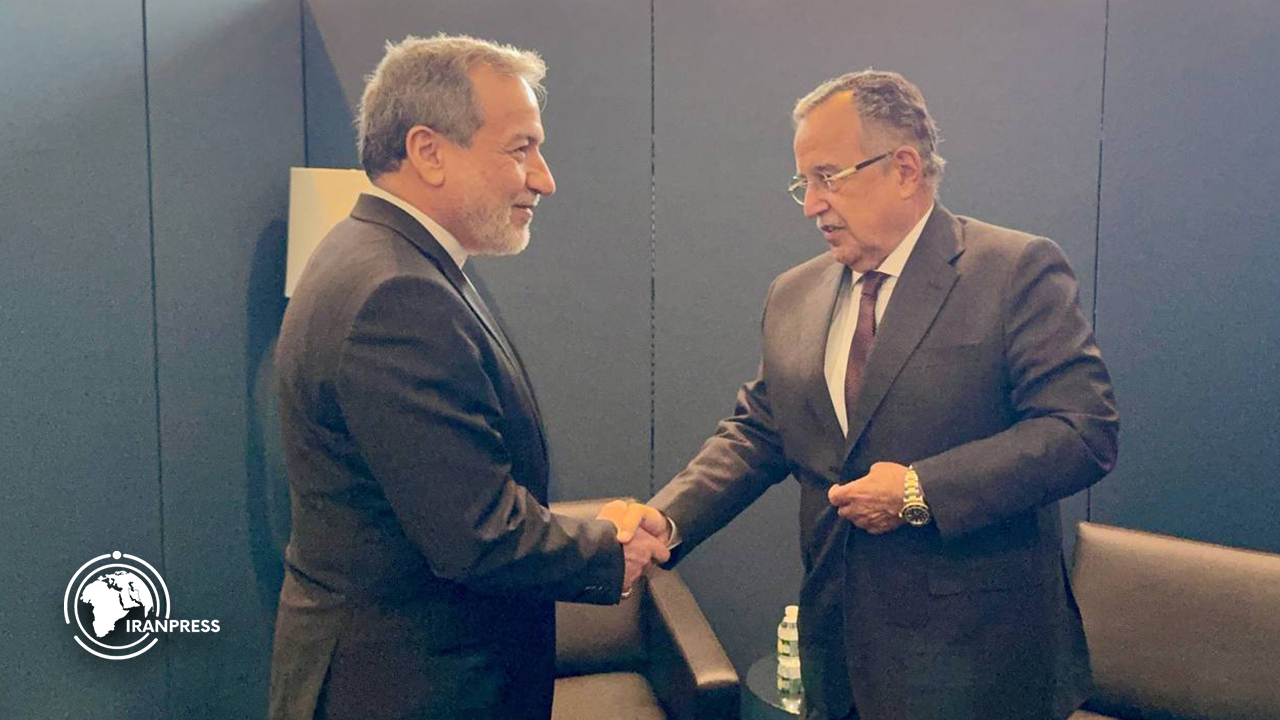
He called for expanded dialogue and interaction between Iran and Arab countries, expressing confidence that greater engagement could help address misunderstandings and concerns that Tehran says have been fueled by hostile propaganda.
Fahmy expressed hope that continued regional dialogue and engagement would contribute to greater mutual trust and cooperation among the countries of the region.
Araghchi's Other Diplomatic Meetings
During his meetings in New York, Araghchi also held talks with the foreign ministers of Nicaragua, the Philippines and Algeria, discussing bilateral relations and issues of mutual and international concern.
Maryam Abolbagha - H.Hakimzadeh